
Company
Company
Insulation should do more than fill a cavity. In a Southwestern Ontario climate, the right system has to handle conductive heat transfer, air leakage, vapour movement, and the moisture conditions that can show up in attics, basements, and crawl spaces. That is why we look at the assembly first and the material second.
When a home has cold bedrooms, drafty upstairs hallways, or a basement that never feels comfortable, the issue may be missing insulation, gaps in the air barrier, thermal bridging, or poor moisture control. We identify which of those issues are present so the work is aimed at the actual cause.
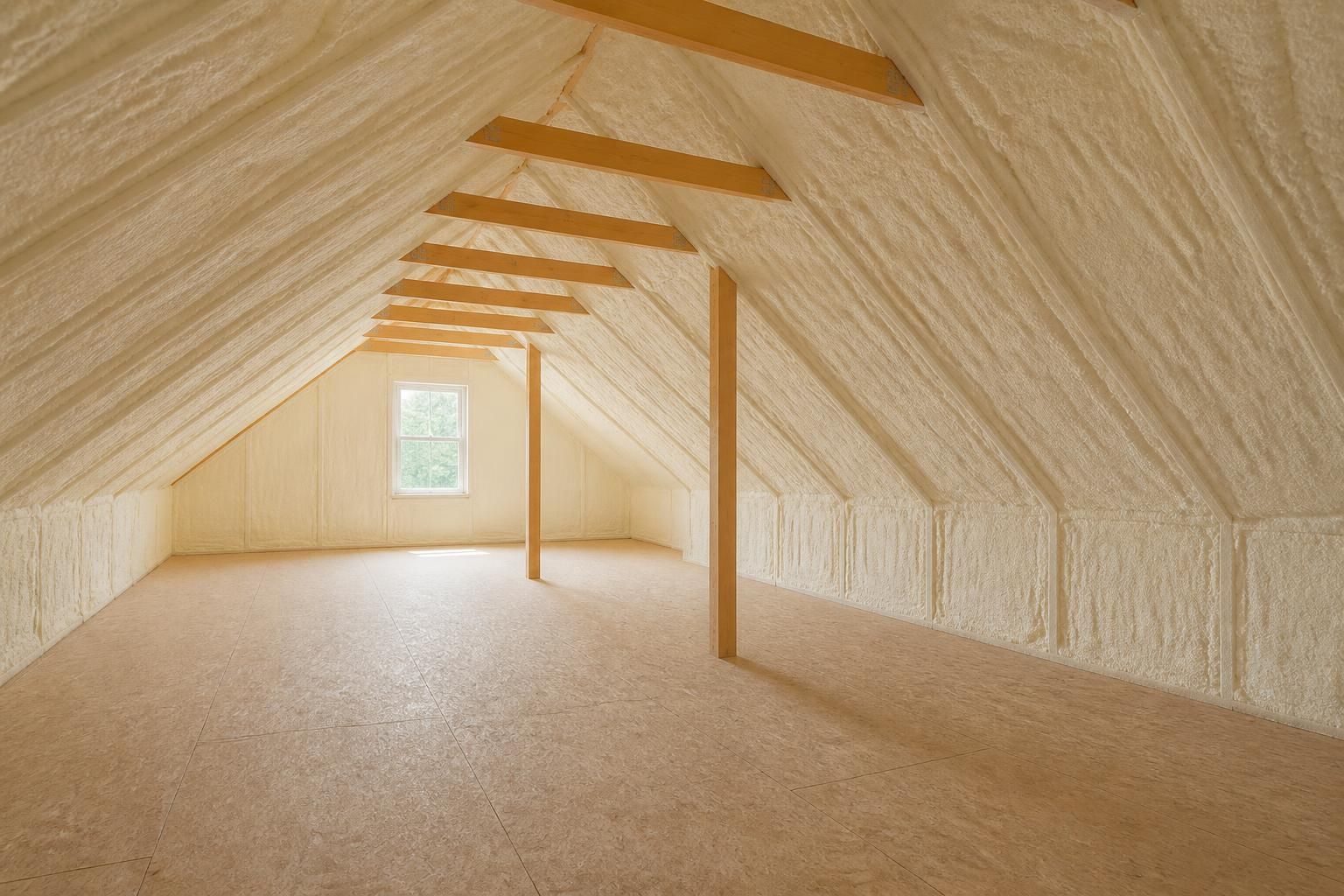
Different parts of the building call for different solutions. Attic top-ups may benefit from loose-fill cellulose or blown fibreglass when the ceiling plane is otherwise sound. Rim and band joists often need closed-cell spray polyurethane foam or a foam-and-seal strategy to reduce air leakage and moisture risk. Framed cavities in walls can call for fibreglass batts, mineral wool, or spray foam depending on access, depth, and performance goals.
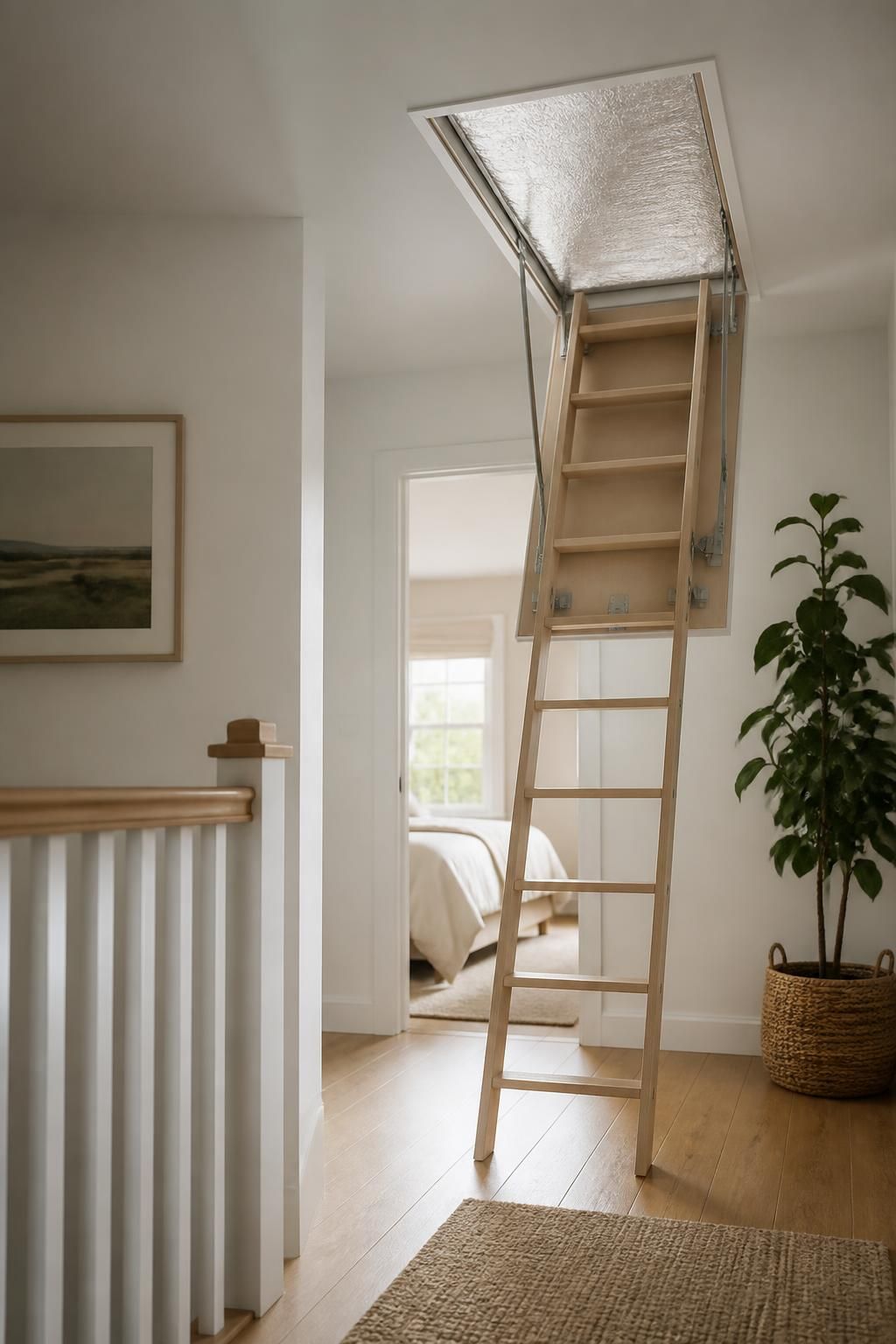
We also consider details such as attic hatches, top plates, penetrations, soffit baffles, foundation walls, sill plates, and exposed floors because those small areas can create disproportionate comfort problems. Thermal imaging, blower-door testing, and moisture meters can help show where the building is losing energy or building up condensation risk.
Our goal is to make insulation decisions easier to understand. If a project needs insulation removal before a safe upgrade can happen, we handle that conversation first. If air sealing should come before adding more R-value, we explain why. If the best next step is basement insulation, crawl-space work, or attic frost control, we keep the recommendation tied to the building conditions in front of us.
That approach helps homeowners get a practical plan for comfort, moisture control, and energy use without turning the project into guesswork.
About London Insulation Company
London Insulation Company provides residential and commercial insulation services throughout London, Ontario and nearby Middlesex County communities. We focus on the parts of the building envelope that most often drive comfort problems, including the attic ceiling plane, wall cavities, rim joists, sill plates, basements, crawl spaces, garages, and other exposed assemblies.
Many local homes lose comfort because of conductive heat transfer through under-insulated areas, air leakage around penetrations, thermal bridging at framing, and moisture movement that can lead to condensation or attic frost. We look at the full assembly, not just the visible insulation, so the recommendation fits how the building actually performs.
Depending on the project, that may include loose-fill cellulose, blown fibreglass, fibreglass batts, mineral wool, open-cell or closed-cell spray polyurethane foam, EPS, or XPS. We also address details like attic hatches, top plates, soffit baffles, roof sheathing, moisture meters, blower-door testing, and ACH50-informed air-sealing work when appropriate for the job.
Start Here
Tell us about the rooms, drafts, cold spots, condensation, or attic issues you are seeing. We will help you understand which insulation, air-sealing, or moisture-control approach best fits the building and the conditions in Southwestern Ontario.