
London Insulation Company provides insulation services for Komoka, ON properties that need better comfort, lower heat loss, and stronger building-envelope performance. If you are dealing with cold rooms, uneven temperatures, attic frost, or rising heating and cooling demand, we can assess where conductive heat transfer and air leakage are showing up first.
The next step is usually a focused look at the ceiling plane, attic hatch, top plates, penetrations, rim/band joists, or concrete foundation walls, depending on the problem. We use practical methods such as thermal imaging, moisture meters, and blower-door testing to help identify air barriers, vapour control concerns, and areas where insulation depth or thermal bridging may be limiting performance.
Many Komoka properties have the same pattern: a room that feels drafty even with the furnace running, a basement that stays cold, or an attic where moisture and frost appear when warm indoor air reaches a cold roof deck. Those symptoms often point to a mix of insulation gaps, air leakage, and moisture movement rather than one single issue.
In Southwestern Ontario, performance depends on more than nominal R-value. We look at how insulation, air sealing, and vapour control work together so the assembly can resist heat flow, limit condensation risk, and reduce the temperature differences that create comfort complaints. A well-sealed ceiling plane, properly insulated rim joists, and correctly detailed framed cavities can matter as much as the insulation product itself.
Komoka homeowners call us for targeted upgrades and problem-solving, not just blanket insulation changes. Depending on the building and the symptoms, we may recommend attic top-ups, insulation removal before replacement, spray foam at specific air-leak locations, or air sealing work before adding new material.
London Insulation Company handles residential and commercial insulation projects across the area, including renovation work and new-construction insulation. The goal is to select the right material for the assembly, whether that means loose-fill cellulose, blown fibreglass, fibreglass batts, mineral wool, open-cell spray polyurethane foam, closed-cell spray polyurethane foam, EPS, or XPS where appropriate for the application.
Different materials solve different problems. Loose-fill cellulose and blown fibreglass are often used for attic coverage because they can fill irregular spaces and improve depth over large areas. Fibreglass batts and mineral wool can work well in framed cavities when the bay layout and air sealing are handled correctly.
For specific air-leak paths, spray polyurethane foam may be appropriate because it can serve as insulation and air barrier at the same time. Closed-cell spray foam adds higher resistance per inch and can be useful where moisture control and space limitations matter. Open-cell foam can be useful where cavity fill and air sealing are the priority. EPS and XPS may be used in some basement or foundation wall applications depending on the assembly and moisture conditions.
A useful insulation visit starts with diagnosis. We look for where heat is escaping, where outside air is entering, and where moisture may be moving into cold surfaces. That may include thermal imaging to spot missing insulation or air leaks, moisture meters to check problem materials, and blower-door testing to measure leakage patterns and help guide sealing priorities.
Once the issue is identified, we can discuss a sequence that makes sense. In many homes, air sealing comes first, followed by insulation removal if needed, then the right replacement material and thickness. This approach helps avoid trapping moisture behind a weak air barrier or burying defects that will keep causing drafts and uneven temperatures.
Ontario Insulation Rebates & Incentives can help offset certain upgrade costs, but eligibility and amounts depend on the program rules, the home, and the work completed. The current Home Renovation Savings program includes a standalone attic-insulation pathway that may offer 50% of eligible project cost up to $1,250, depending on starting R-value and program requirements.
The bundled energy-assessment pathway currently offers incentives that can include up to $1,500 for attic insulation, $3,600 for exterior walls, $2,300 for foundation insulation, $300 for exposed floors, $250 for air sealing, plus a $600 home-energy-assessment rebate and potential bundle incentives. Home Renovation Savings details can change, so it is important to confirm the current rules before planning work around a rebate.
Some qualifying Ontario households may also receive help through the Energy Affordability Program, which can provide no-cost attic or basement insulation and draft-proofing measures subject to household, home, and heating eligibility. We can discuss the type of work often associated with these programs, but we do not promise approval or program outcomes.
For verified local program and financing information, BetterHomes London may be a useful place to check current details before you schedule an upgrade. If you are comparing options, it helps to confirm the required sequence, documentation, and eligible measures before the job begins.
Insulation and air sealing can help reduce drafts, cold floors, hot upstairs rooms, and high heating or cooling demand when the root issue is heat loss or air leakage through the building envelope.
Attic frost usually develops when warm, moist indoor air reaches cold roof sheathing or framing. Gaps in the air barrier, poor vapour control, or limited insulation depth can make that more likely.
Removal can be useful if old material is damaged, contaminated, wet, settled, or blocking proper air sealing and replacement work.
The choice depends on the assembly, access, moisture conditions, and whether the main goal is coverage, cavity fill, or air sealing at specific leakage points.
Insulating basement walls, rim joists, and sill plates can reduce cold air movement and heat loss that often contribute to cold floors on the main level.
Yes, program pathways often depend on existing insulation levels, home characteristics, and completed measures, so a careful assessment comes before any rebate discussion.
If your Komoka property has a drafty attic, a cold basement, or moisture concerns around the ceiling plane, London Insulation Company can help assess the building envelope and recommend a practical path forward. Call +16477005472 or email [email protected] to discuss the room, assembly, or problem area you want to address.
London Insulation Company
413 Hamilton Rd, London, ON N5Z 1R8
Hours: Monday to Sunday, 07:00 to 21:00
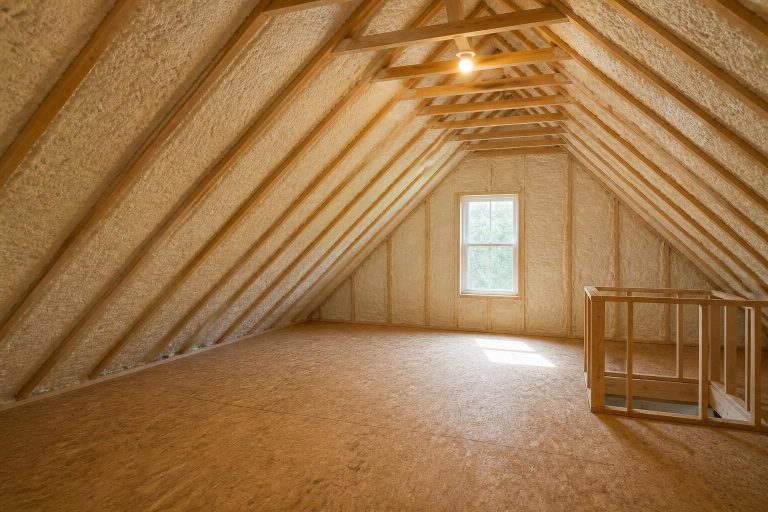
Fix cold ceilings, drafts, and attic moisture with insulation tailored to London homes.
Learn More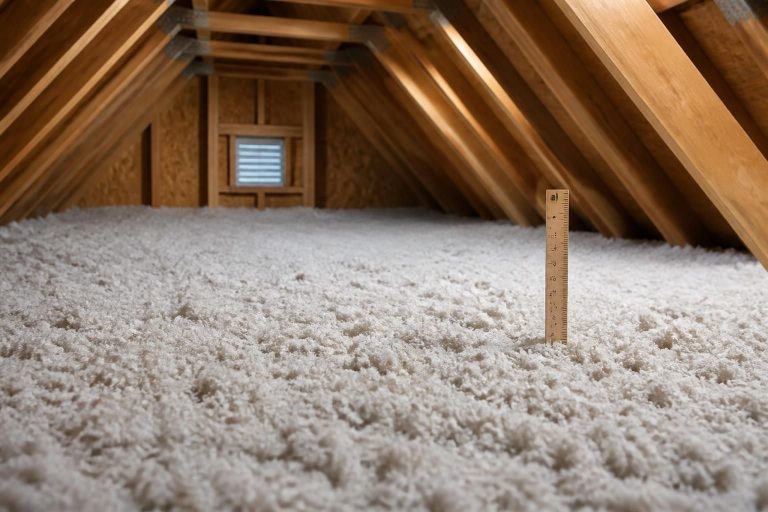
Blown-in insulation helps stop drafts, fill voids, and stabilize cold rooms fast.
Learn More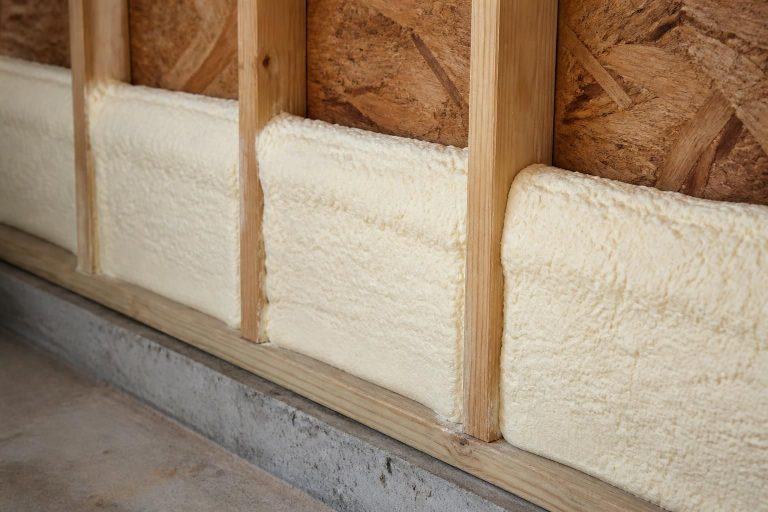
Reduce drafts, cold spots, and moisture problems with spray foam insulation.
Learn More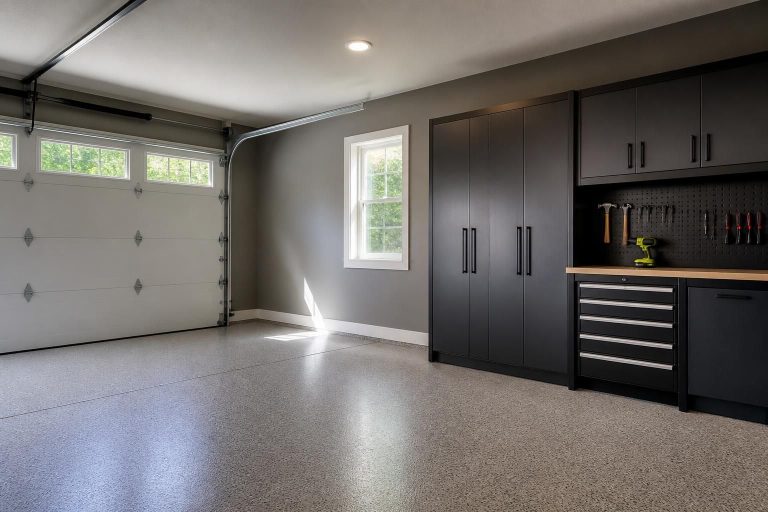
Reduce garage drafts, colder rooms, and heat loss with targeted garage insulation.
Learn More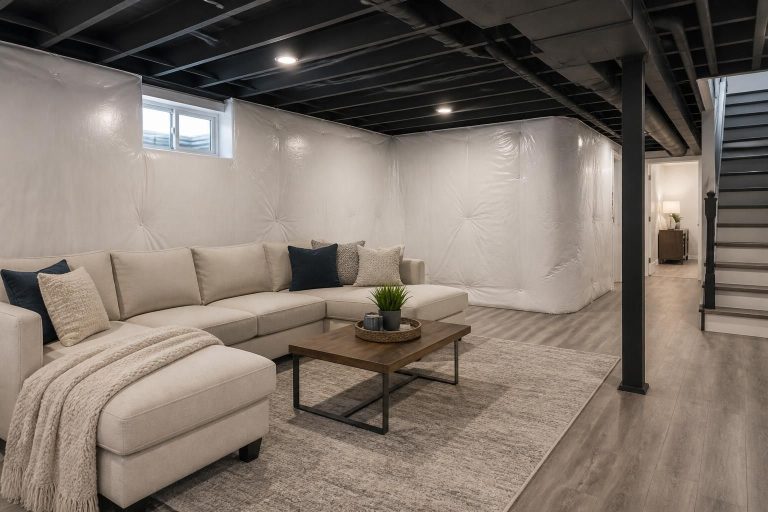
Basement insulation that cuts drafts, limits moisture risk, and steadies lower-level comfort.
Learn More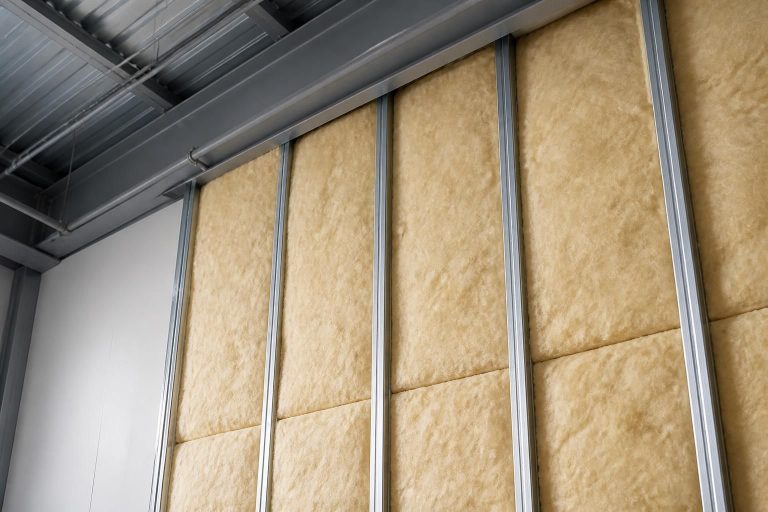
Commercial insulation that cuts heat loss, air leakage, and moisture risks across London, ON.
Learn More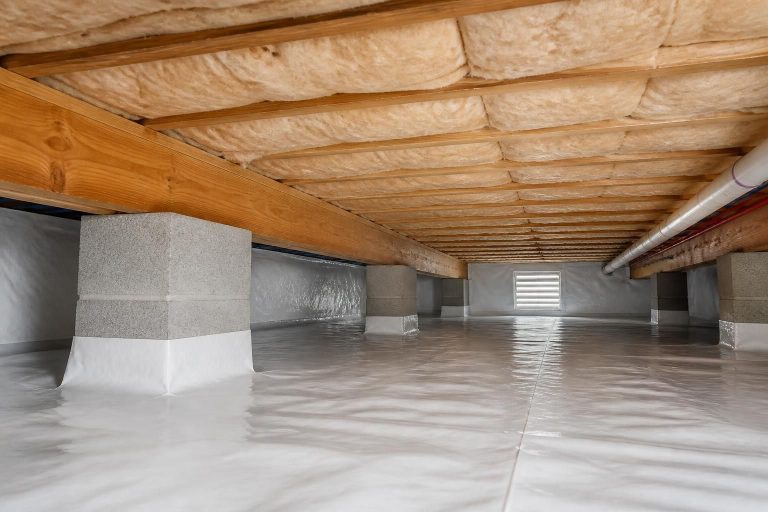
Reduce cold floors, drafts, and moisture issues with crawl space insulation.
Learn More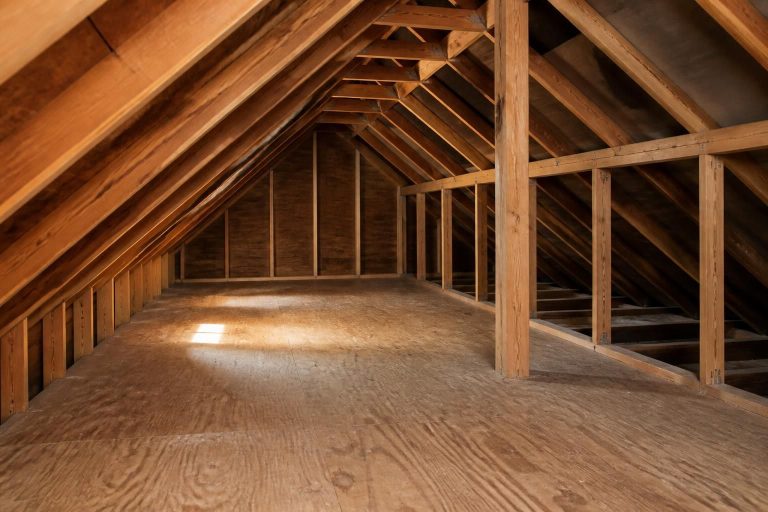
Remove damaged insulation, reduce hidden moisture risks, and prepare your home for a better upgrade.
Learn More
Stop drafts, uneven rooms, and hidden moisture losses with targeted air sealing.
Learn More
New-build insulation that controls heat loss, air leakage, and moisture from day one.
Learn More
Reduce drafts, uneven rooms, and heat loss with targeted wall insulation.
Learn More
Stop attic moisture, frost, and ice dam damage with targeted insulation and air sealing.
Learn More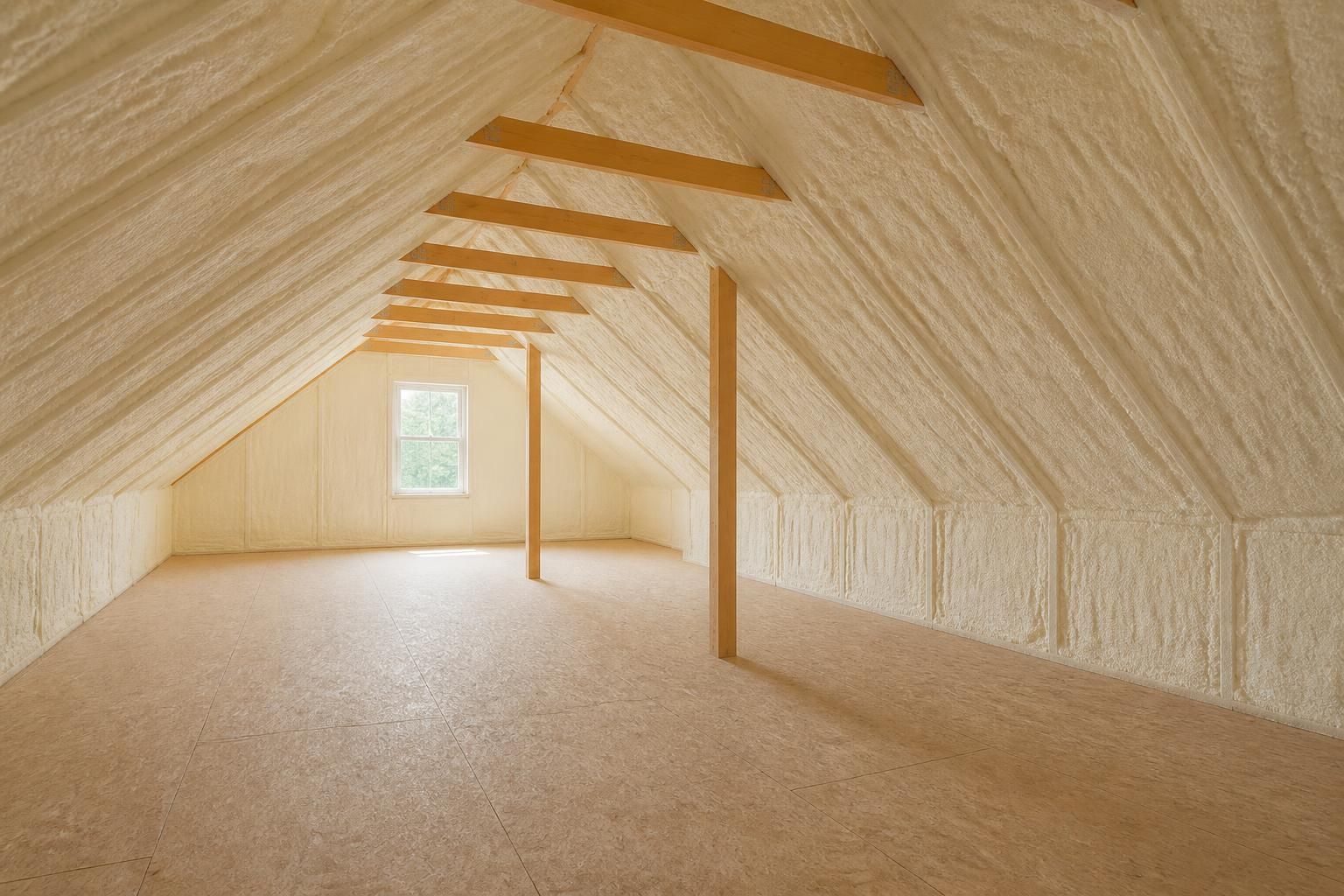
Start Here
Tell us about the rooms, drafts, cold spots, condensation, or attic issues you are seeing. We will help you understand which insulation, air-sealing, or moisture-control approach best fits the building and the conditions in Southwestern Ontario.