
London Insulation Company helps homeowners and property managers in Aylmer, ON with insulation work that improves the building envelope, reduces conductive heat transfer, and limits air leakage where homes often lose comfort. If you are dealing with cold rooms, drafty rim joists, uneven temperatures, attic frost, or a basement that feels damp and hard to heat, we can assess the problem and recommend a practical insulation path.
We handle attic insulation, blown-in insulation, spray foam insulation, basement insulation, wall insulation, crawl-space insulation, garage insulation, insulation removal, air sealing services, commercial insulation, new-construction insulation, and attic frost, condensation, and ice dam solutions. The first step is usually a closer look at the ceiling plane, attic hatch, top plates, penetrations, soffit baffles, and other leakage points so the right material goes where it can do the most work.
Aylmer properties can benefit from targeted insulation upgrades when heat loss shows up as uneven temperatures, cold floors, or rooms that never seem to match the thermostat setting. We use site conditions to decide whether the priority is more R-value, better air barriers, reduced thermal bridging, or moisture control around areas like the roof sheathing, rim/band joists, sill plates, and concrete foundation walls.
For many homes, the issue is not only insulation depth. A ceiling or wall assembly can still perform poorly if warm indoor air is leaking through penetrations and condensing on a cold surface. That is why we look at the assembly as a system, including vapour control, dew point risk, and the condition of existing materials before suggesting top-ups or removal.
Southwestern Ontario homes often need insulation decisions that reflect both winter heat loss and summer humidity control. In Aylmer, that may mean improving attic coverage, tightening air barriers, and using materials that fit the space, such as loose-fill cellulose, blown fibreglass, fibreglass batts, mineral wool, open-cell spray polyurethane foam, closed-cell spray polyurethane foam, EPS, or XPS.
Older and newer homes can both have weak points. A finished wall may look fine while the framed cavities still allow conductive heat transfer and airflow. A basement can feel colder because concrete foundation walls and exposed rim joists pull heat away quickly. In attics, insufficient insulation depth or blocked soffit ventilation can contribute to condensation, frost, or ice dam conditions.
For Aylmer, ON, we provide a focused mix of insulation and air-sealing services for homes, garages, commercial spaces, and new builds. The right choice depends on the assembly, the existing materials, and whether the main issue is heat loss, drafts, moisture, or noise.
Different materials solve different problems. Loose-fill cellulose and blown fibreglass can be effective for attic top-ups because they fill irregular spaces and help maintain coverage around framing. Fibreglass batts and mineral wool can work well in framed cavities when fit and continuity are handled carefully. Open-cell spray foam is often selected where air sealing and cavity fill are priorities, while closed-cell spray foam can add higher thermal resistance per inch and better moisture resistance in certain assemblies. EPS and XPS may be used where rigid insulation is appropriate for foundation or framing applications.
We also look at whether the assembly needs more than just R-value. A higher insulation value does not automatically solve drafts if the air barrier is incomplete. Likewise, a well-sealed area can still be uncomfortable if thermal bridging through framing members is significant or if moisture is being driven toward cold surfaces. Moisture meters and thermal imaging can help identify where heat loss or condensation is actually occurring.
If existing insulation is contaminated, settled, wet, or blocking important airflow paths, insulation removal may be the right first step. This is especially useful when attic frost, moisture staining, or past water entry has affected the material and the roof sheathing. Clearing out damaged material can make later air sealing and reinsulation more effective.
Homeowners asking about insulation work often want to know what programs may apply. The current Home Renovation Savings program includes a standalone attic-insulation pathway that may offer 50% of eligible project cost up to $1,250, depending on starting R-value and program requirements. The bundled energy-assessment pathway currently lists incentives including up to $1,500 for attic insulation, $3,600 for exterior walls, $2,300 for foundation insulation, $300 for exposed floors, $250 for air sealing, plus a $600 home-energy-assessment rebate and potential bundle incentives. Program details can change, so eligibility and incentive amounts should always be confirmed before work begins.
Some qualifying Ontario households may also access the Energy Affordability Program, which can provide no-cost attic or basement insulation and draft-proofing measures, subject to household, home, and heating eligibility. BetterHomes London should only be referenced using currently verified program or financing details, so any financing discussion should be checked against the latest available information.
Rebates and program incentives do not apply to every property or every project. Starting conditions, documentation, material selection, and the specific scope of work can all affect the outcome.
Most insulation projects start with a look at the problem areas and the existing envelope details. For attic work, that can include checking current insulation depth, identifying bypasses at penetrations, and confirming that soffit baffles and ventilation pathways are not blocked. For basements and crawl spaces, the focus may be on rim joists, sill plates, and foundation wall conditions. For walls, we consider whether the cavity is open, partially accessible, or better suited to a different insulation approach.
From there, we discuss material choice and installation method so the solution matches the space rather than forcing one product everywhere. A well-planned project can help reduce heating and cooling demand, improve room-to-room consistency, and lower the chance of cold-surface condensation where warm indoor air meets a colder assembly.
Common signs include uneven temperatures, cold upstairs rooms, visible framing through thin insulation, and moisture or frost at the roof deck. A closer look at insulation depth and air leakage usually gives the clearest answer.
Insulation slows conductive heat transfer, but it does not stop all air movement. Gaps at the attic hatch, penetrations, top plates, rim joists, or sill plates can still let conditioned air escape and outdoor air enter.
Air sealing reduces leakage through cracks, gaps, and bypasses. Insulation slows heat flow through materials. Both matter, especially in assemblies where thermal bridging and moisture movement affect comfort.
Yes, depending on the source of the cold. Insulating foundation walls, rim joists, or exposed floor areas can reduce heat loss and make the main level feel more stable.
Attic frost often appears when warm, moist indoor air reaches a cold roof surface. Leaks around the ceiling plane, inadequate vapour control, or poor ventilation balance can contribute to the problem.
That depends on wall access, cavity depth, and moisture conditions. Fibreglass batts, blown-in insulation, mineral wool, and spray foam are all possible options when matched to the assembly correctly.
If you need insulation help in Aylmer, ON, London Insulation Company can review the building-envelope issues behind the comfort problem and suggest a practical next step. Whether the priority is attic top-up work, rim-joist sealing, basement insulation, or removal before new insulation goes in, we can help you move toward a tighter, more consistent home.
Call +16477005472 or email [email protected] to discuss your project and the areas of the home that need attention.
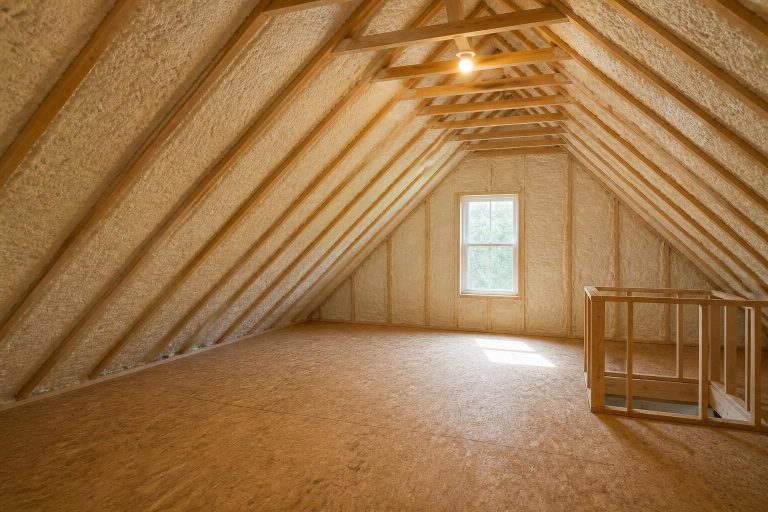
Fix cold ceilings, drafts, and attic moisture with insulation tailored to London homes.
Learn More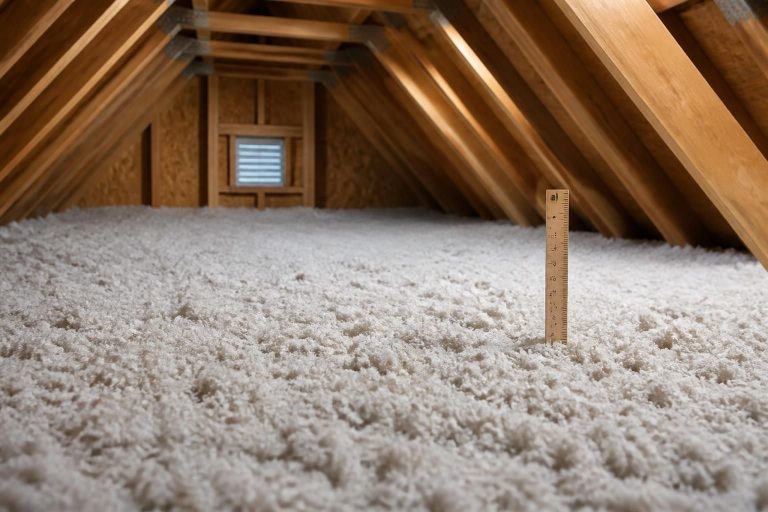
Blown-in insulation helps stop drafts, fill voids, and stabilize cold rooms fast.
Learn More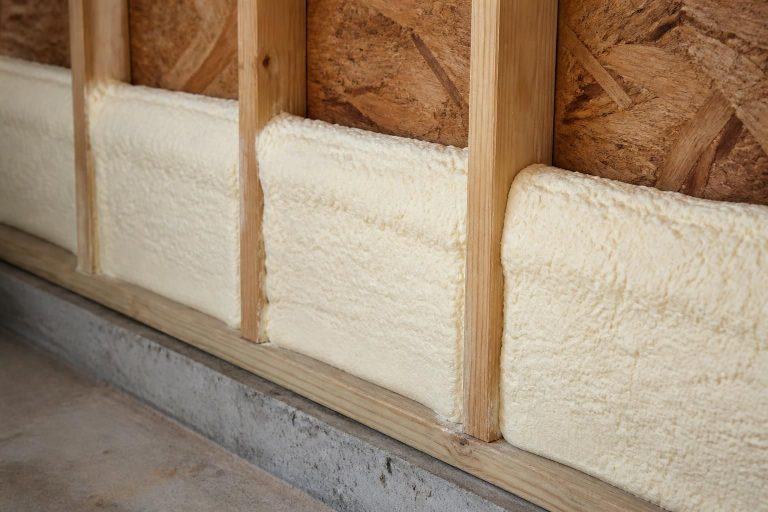
Reduce drafts, cold spots, and moisture problems with spray foam insulation.
Learn More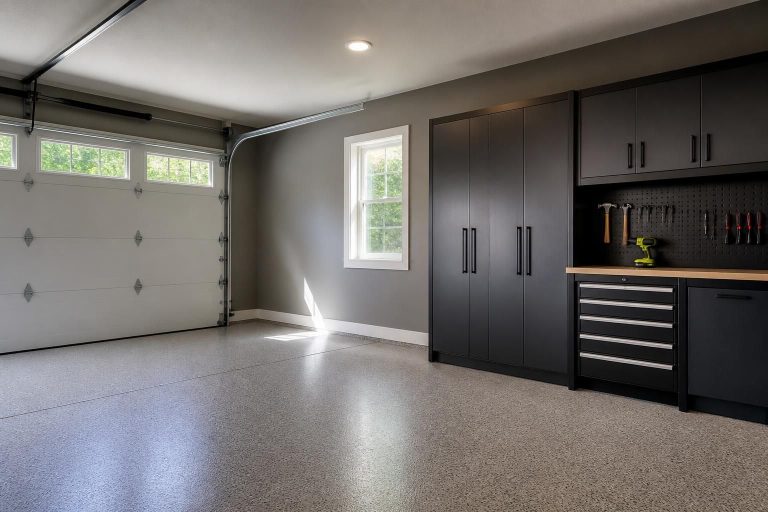
Reduce garage drafts, colder rooms, and heat loss with targeted garage insulation.
Learn More
Basement insulation that cuts drafts, limits moisture risk, and steadies lower-level comfort.
Learn More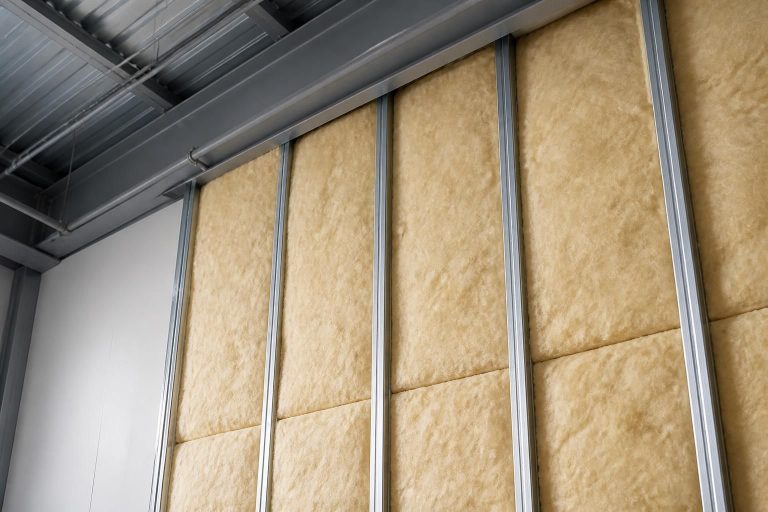
Commercial insulation that cuts heat loss, air leakage, and moisture risks across London, ON.
Learn More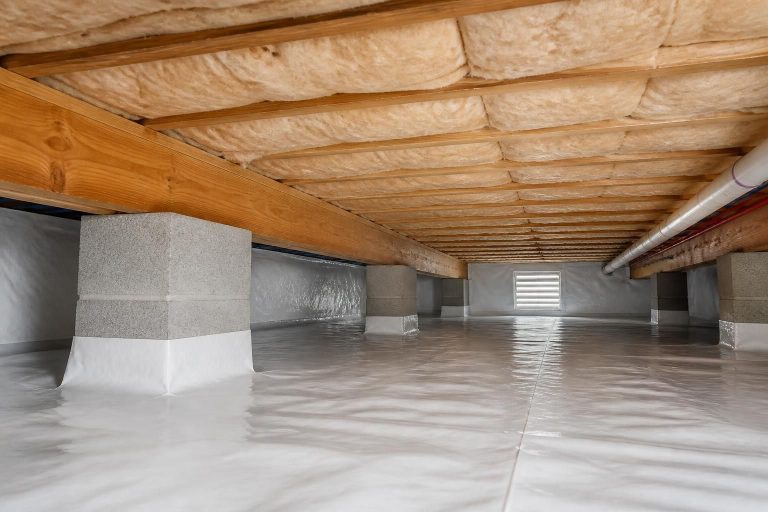
Reduce cold floors, drafts, and moisture issues with crawl space insulation.
Learn More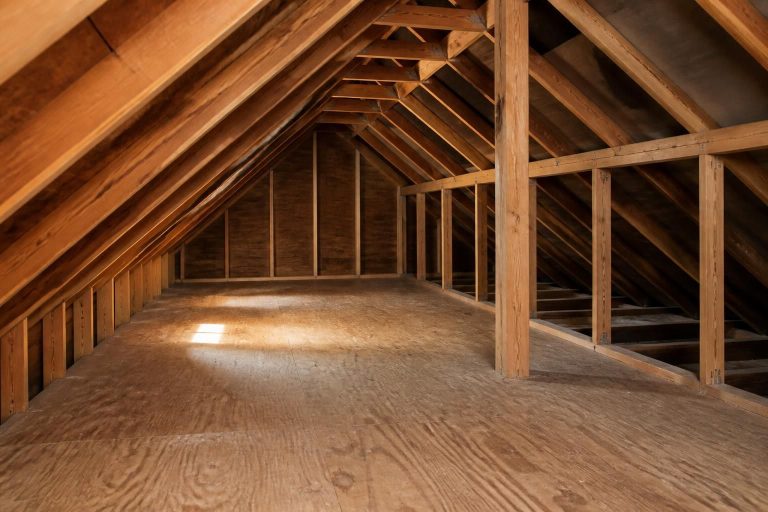
Remove damaged insulation, reduce hidden moisture risks, and prepare your home for a better upgrade.
Learn More
Stop drafts, uneven rooms, and hidden moisture losses with targeted air sealing.
Learn More
New-build insulation that controls heat loss, air leakage, and moisture from day one.
Learn More
Reduce drafts, uneven rooms, and heat loss with targeted wall insulation.
Learn More
Stop attic moisture, frost, and ice dam damage with targeted insulation and air sealing.
Learn More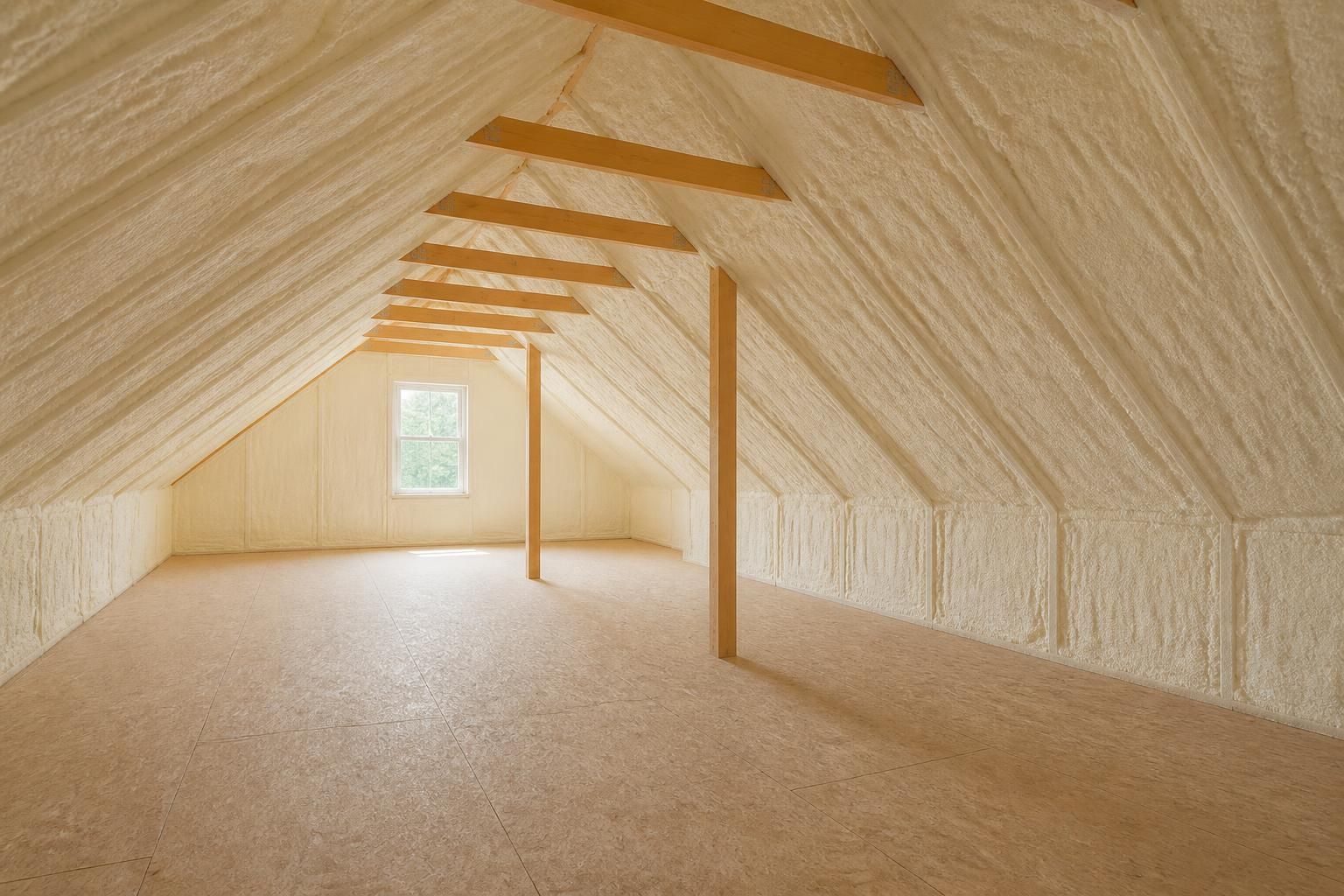
Start Here
Tell us about the rooms, drafts, cold spots, condensation, or attic issues you are seeing. We will help you understand which insulation, air-sealing, or moisture-control approach best fits the building and the conditions in Southwestern Ontario.