
London Insulation Company provides insulation and air-sealing services for homes and buildings in St. Thomas, ON, with work planned around the way Southwestern Ontario properties lose heat and gain moisture. If you are dealing with cold rooms, drafty upper floors, attic frost, or uneven temperatures between rooms, we can help assess where the building envelope is underperforming and what type of insulation upgrade fits the space.
We handle attic insulation, blown-in insulation, spray foam insulation, basement insulation, wall insulation, crawl-space insulation, garage insulation, insulation removal, and air sealing. The next step is usually a site visit or phone discussion so we can look at the ceiling plane, attic hatch, rim joists, top plates, penetrations, and other leakage points that can affect R-value, condensation risk, and overall comfort.
Many St. Thomas properties benefit from a closer look at conductive heat transfer, air leakage, and thermal bridging rather than insulation thickness alone. If warm indoor air escapes through penetrations or thin spots, it can reach cold roof sheathing or other cold surfaces, which raises the risk of condensation, frost, and moisture damage. A well-sealed air barrier, proper vapour control, and the right insulation depth all work together to reduce these problems.
Common homeowner concerns include rooms that never feel even, drafts near floors or exterior walls, ice dam patterns at the roof edge, or high heating and cooling demand that does not seem to match the thermostat setting. We often look at attic ventilation details such as soffit baffles, the condition of the attic hatch, and whether insulation is covering or blocking critical paths for air and moisture movement.
London Insulation Company works on both residential and commercial properties throughout the St. Thomas area. Depending on the space, we may recommend one material or a combination that suits the assembly and moisture conditions. Loose-fill cellulose can be useful for dense attic coverage and top-ups, blown fibreglass can help bring attic depth up evenly, and fibreglass batts or mineral wool can fit framed cavities where access allows. Spray polyurethane foam may be suitable where air sealing and insulation need to happen together, especially at rim joists, sill plates, or other hard-to-seal areas.
For foundation and lower-level work, insulated assemblies may use materials such as EPS or XPS where appropriate, depending on the application and building details. We also handle insulation removal when old material is damaged, contaminated, or no longer performing as intended.
Useful insulation work starts with identifying where heat and moisture are moving through the building envelope. That often means checking for air leakage at the attic hatch, top plates, recessed openings, bath fans, and mechanical penetrations, then evaluating insulation depth and coverage. In some homes, the biggest gain comes from air sealing before adding more material. In others, the priority is correcting uneven attic coverage, improving rim joist performance, or addressing moisture-prone basement and crawl-space areas.
We review exposed areas that affect performance, including the attic, basement, crawl space, and key transitions where framing creates thermal bridging.
Thermal imaging, moisture meters, and blower-door testing can help identify leakage patterns and moisture concerns. Blower-door results are often discussed as ACH50, which helps show how leaky a building may be under test conditions.
We then recommend a product or combination that fits the space, such as blown-in cellulose, blown fibreglass, batt insulation, mineral wool, or open- and closed-cell spray polyurethane foam.
Attic frost and moisture usually point to a mix of heat loss, air leakage, and vapour movement. Warm indoor air can carry moisture upward, and when that air reaches cold roof sheathing or other cold surfaces, condensation can form. Over time, that can lead to frost, staining, damp insulation, or long-term material damage. Correcting those conditions often means improving the air barrier first, then adding insulation to the proper depth and coverage.
We pay attention to soffit baffles, attic ventilation pathways, plumbing and electrical penetrations, and the condition of the attic hatch because these details can affect how air and moisture move. In some cases, an attic top-up is useful only after existing bypasses are sealed and damaged insulation is removed.
Homeowners in St. Thomas may also want to review current Ontario Insulation Rebates & Incentives before starting a project. Program details can change, so it is important to confirm the latest rules, eligibility, and required steps before relying on any incentive.
Home Renovation Savings program: the current standalone attic-insulation pathway may offer 50% of eligible project cost up to $1,250, depending on the starting R-value and program requirements. The bundled energy-assessment pathway currently lists incentives such as up to $1,500 for attic insulation, $3,600 for exterior walls, $2,300 for foundation insulation, $300 for exposed floors, $250 for air sealing, plus a $600 home-energy-assessment rebate and potential bundle incentives.
Energy Affordability Program: qualifying Ontario households may receive no-cost attic or basement insulation and draft-proofing measures, subject to household, home, and heating eligibility.
BetterHomes London: for homeowners comparing financing or local program options, only verified program and financing details should be used when reviewing this resource.
We can discuss which parts of your project may align with these programs, but we do not guarantee rebates, savings, R-values, or eligibility.
St. Thomas property owners often contact London Insulation Company when they want a practical fix for comfort problems that trace back to the envelope rather than the furnace or air conditioner. If the basement feels cold, the upstairs is stuffy, or the attic shows signs of frost, the issue may be connected to air movement, insulation continuity, or moisture control at critical building details.
When needed, we can talk through the space before work begins so you understand whether the best path is air sealing, insulation removal, a top-up, or a combination. That kind of planning helps avoid covering up a leak path with more insulation and gives the building a better chance to perform as intended.
Signs can include uneven room temperatures, cold ceilings, visible settled insulation, or frost and moisture at the roof deck. A closer inspection of insulation depth, air leakage, and the attic hatch often helps identify the cause.
Because insulation slows conductive heat transfer, but it does not stop moving air by itself. If air leakage is left open, warm moist air can still reach cold surfaces and create condensation concerns.
Loose-fill cellulose and blown fibreglass are commonly used for attic coverage. Fibreglass batts and mineral wool can suit framed cavities. Open- and closed-cell spray polyurethane foam may be useful where insulation and air sealing need to work together.
Yes. Rim joists, sill plates, and concrete foundation walls can leak heat and air, which may make floors colder and increase overall heating demand. Those areas often influence the temperature balance throughout the home.
ACH50 is a blower-door testing result that describes air leakage under a standard pressure difference. It helps show how leaky a home may be and can guide air-barrier improvements.
They can, when the work addresses the full moisture path. That usually means improving air sealing, maintaining suitable vapour control, and adding the right insulation in the right location so warm indoor air is less likely to condense on cold surfaces.
If you are comparing insulation contractors for attic insulation, spray foam, blown-in upgrades, basement work, or condensation-related repairs, London Insulation Company can help you look at the building envelope as a system. We serve St. Thomas from our London location at 413 Hamilton Rd, London, ON N5Z 1R8, and we can be reached at +16477005472 or [email protected]. Our hours are Monday through Sunday, 7:00 AM to 9:00 PM.
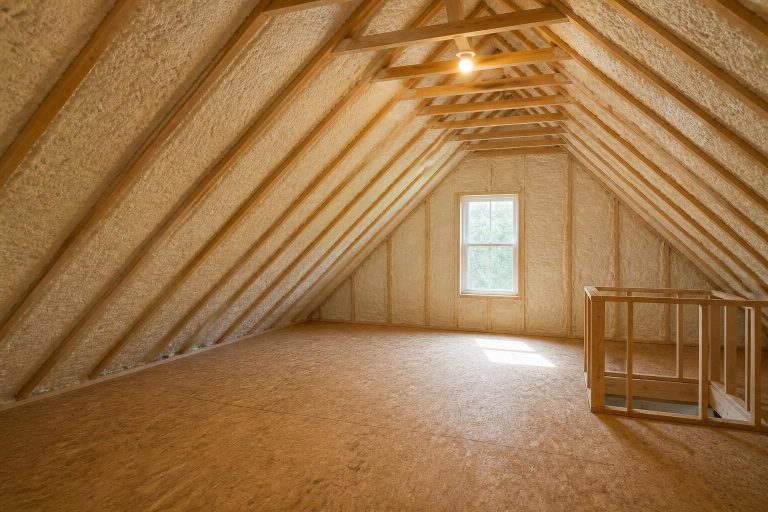
Fix cold ceilings, drafts, and attic moisture with insulation tailored to London homes.
Learn More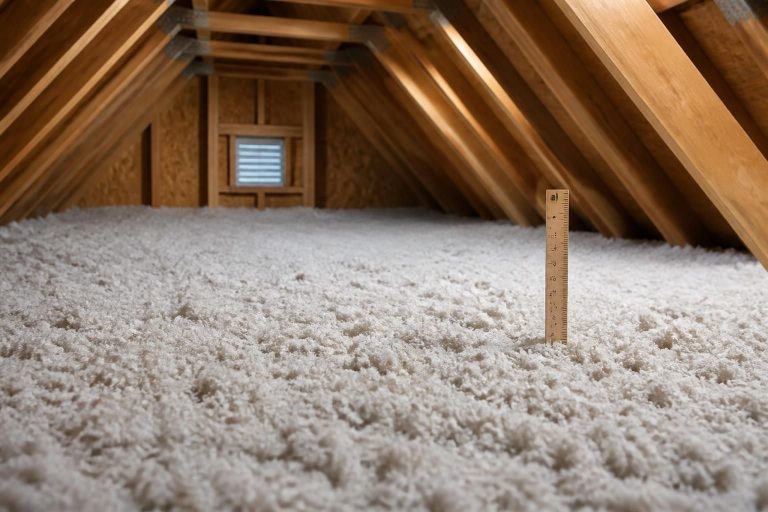
Blown-in insulation helps stop drafts, fill voids, and stabilize cold rooms fast.
Learn More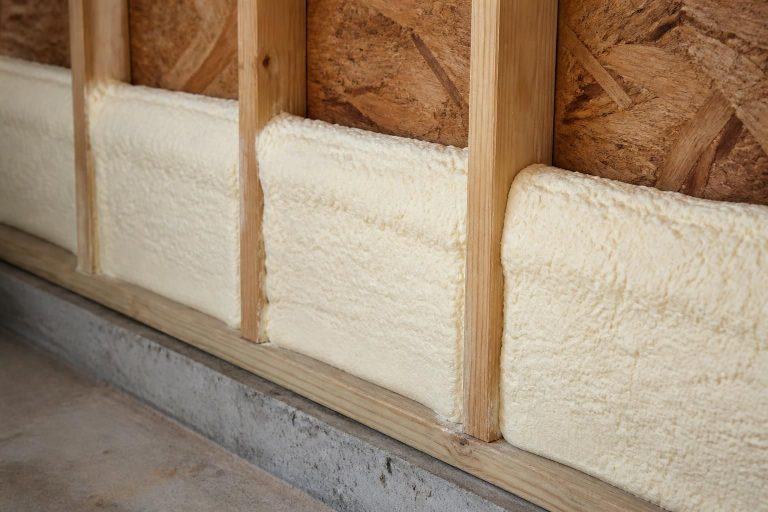
Reduce drafts, cold spots, and moisture problems with spray foam insulation.
Learn More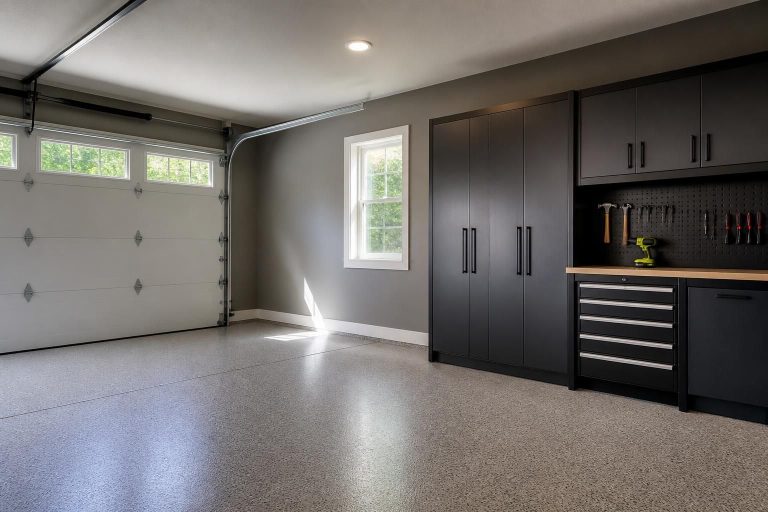
Reduce garage drafts, colder rooms, and heat loss with targeted garage insulation.
Learn More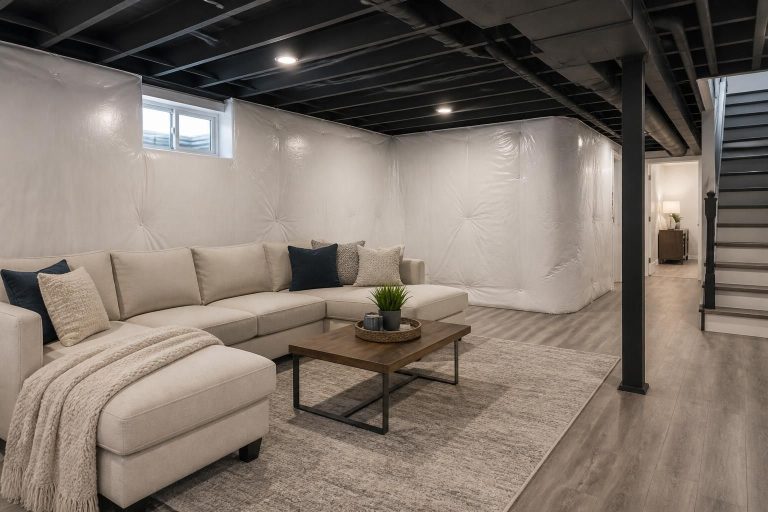
Basement insulation that cuts drafts, limits moisture risk, and steadies lower-level comfort.
Learn More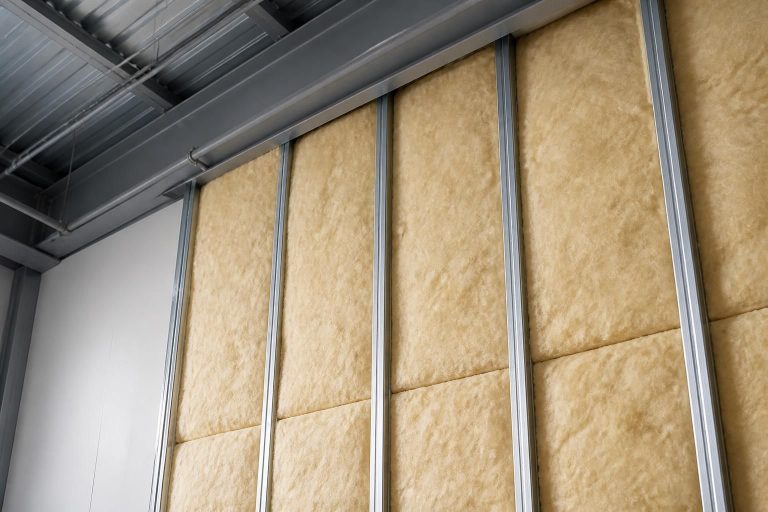
Commercial insulation that cuts heat loss, air leakage, and moisture risks across London, ON.
Learn More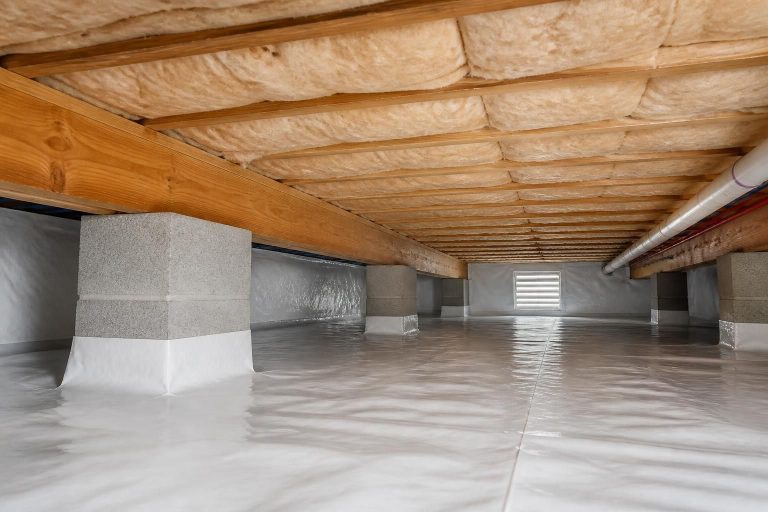
Reduce cold floors, drafts, and moisture issues with crawl space insulation.
Learn More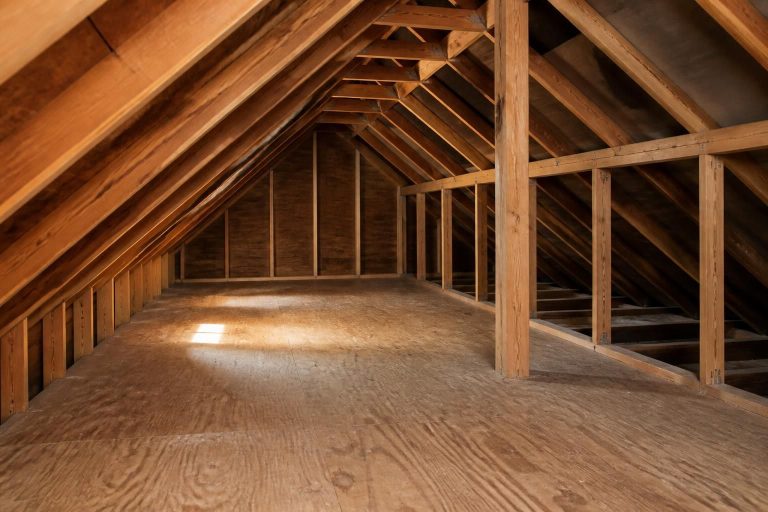
Remove damaged insulation, reduce hidden moisture risks, and prepare your home for a better upgrade.
Learn More
Stop drafts, uneven rooms, and hidden moisture losses with targeted air sealing.
Learn More
New-build insulation that controls heat loss, air leakage, and moisture from day one.
Learn More
Reduce drafts, uneven rooms, and heat loss with targeted wall insulation.
Learn More
Stop attic moisture, frost, and ice dam damage with targeted insulation and air sealing.
Learn More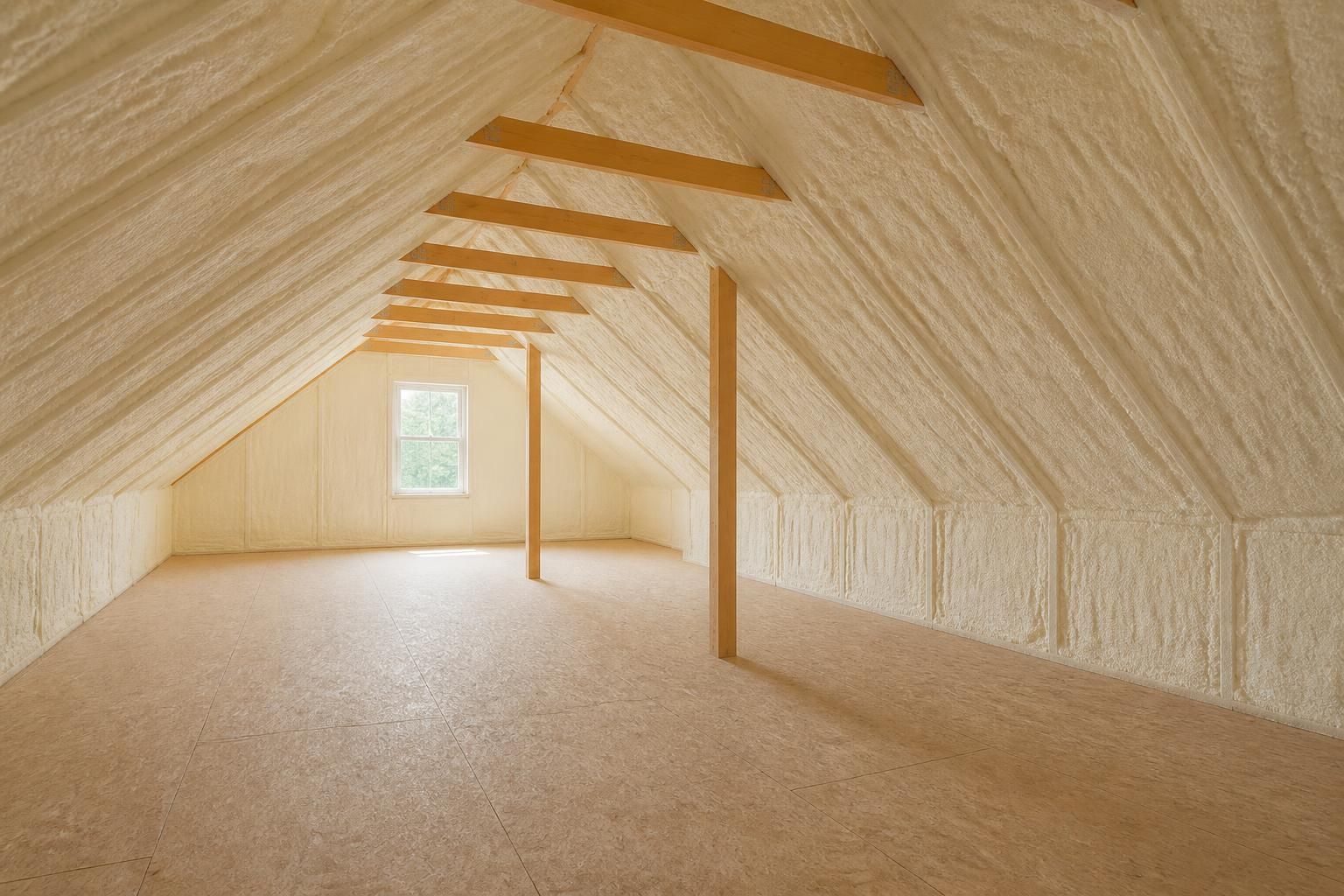
Start Here
Tell us about the rooms, drafts, cold spots, condensation, or attic issues you are seeing. We will help you understand which insulation, air-sealing, or moisture-control approach best fits the building and the conditions in Southwestern Ontario.