
London Insulation Company provides insulation and air-sealing services for homes and buildings in Dorchester, ON and nearby Middlesex County areas. If you are dealing with cold rooms, drafts around the attic hatch, uneven temperatures between floors, or moisture showing up as frost on roof sheathing, we can help narrow down where heat is escaping and where air leakage is creating comfort problems.
We start with the building envelope, not just the insulation thickness. That means looking at conductive heat transfer, thermal bridging at studs and rim joists, the ceiling plane, attic ventilation details, and places where air barriers and vapour barriers may be missing or damaged. From there, we can recommend the right mix of attic insulation, blown-in insulation, spray foam, air sealing, or insulation removal for your property.
Dorchester homes can show the same symptoms seen across Southwestern Ontario: higher heating demand, hot upstairs rooms in summer, chilly basement spaces, or a constant draft even when windows are closed. Those issues often come from a few common points, such as penetrations through the ceiling plane, leaky top plates, uninsulated rim/band joists, thin insulation depth, or attic bypasses around bath fans, wiring, and light fixtures.
We use practical checks such as thermal imaging, moisture meters, and blower-door testing to identify where conditioned air is escaping and where outdoor air is getting in. A lower ACH50 reading often points to a tighter envelope, but the real goal is balanced performance: enough insulation R-value, continuous air control, and moisture management that keeps condensation from forming where warm indoor air meets cold surfaces.
We provide a full range of residential and commercial insulation services in Dorchester, ON. The right material depends on the space, moisture conditions, access, and whether the goal is to raise thermal resistance, improve air sealing, or both.
Attic insulation often gives the biggest comfort improvement when the attic floor is under-insulated or unevenly covered. We can add loose-fill cellulose or blown fibreglass over existing insulation, especially where joists and obstructions create thin spots. When the attic hatch, top plates, or other penetrations leak air, sealing them first helps protect the insulation layer and reduce warm, moist air reaching the roof sheathing.
Spray polyurethane foam can be useful where air sealing and insulation need to work together, such as around rim/band joists, complicated framing, or select roof and wall assemblies. Open-cell foam can help fill cavities and reduce air movement, while closed-cell foam offers higher R-value per inch and stronger moisture resistance. Fibreglass batts, mineral wool, EPS, and XPS may be appropriate for framed cavities, garage walls, basement applications, or specific new-construction assemblies depending on the detail being built or upgraded.
For basement insulation, crawl-space insulation, or concrete foundation walls, we look at moisture conditions carefully. A damp wall needs the right approach to vapour control and drying potential, not just more material. In some cases, insulation removal is the first step before rebuilding the assembly correctly.
Many Dorchester properties benefit from a focused envelope review because the most costly heat loss is often not where the insulation is visible. Air leaks at sill plates, around penetrations, through framed cavities, and at the attic hatch can move a surprising amount of heat and moisture. That can lead to cold floors, overheated bedrooms, condensation on roof sheathing, or attic frost during colder periods.
For new construction insulation and commercial insulation, we can work with the assembly already being planned so framing details, thermal breaks, and air barrier continuity are considered before the cavity is closed up.
Ontario households may have access to insulation and air-sealing incentives through current provincial and utility programs, but eligibility, scope, and documentation rules can change. Home Renovation Savings currently includes a standalone attic-insulation pathway that may offer 50% of eligible project cost up to $1,250, depending on starting R-value and program requirements. The bundled energy-assessment pathway currently lists incentives including up to $1,500 for attic insulation, $3,600 for exterior walls, $2,300 for foundation insulation, $300 for exposed floors, $250 for air sealing, plus a $600 home-energy-assessment rebate and potential bundle incentives.
The Energy Affordability Program may also provide qualifying Ontario households with no-cost attic or basement insulation and draft-proofing measures, subject to household, home, and heating eligibility. BetterHomes London should only be reviewed against currently verified program and financing details before relying on any application path. We can help homeowners think through the scope of work, but we do not guarantee rebate amounts, approval, savings, or eligibility.
For many Dorchester service calls, the process starts with a visual review and a discussion of the comfort or moisture issue. If needed, we look at attic ventilation details such as soffit baffles, the roof sheathing condition, and whether the air barrier has been broken by older renovations. In basements and crawl spaces, we look at concrete foundation walls, rim/band joists, and sill plates for air leakage and moisture signs.
From there, we can recommend one or more of these service directions:
London Insulation Company is available for Dorchester properties from the office at 413 Hamilton Rd, London, ON N5Z 1R8. Reach out by phone at +16477005472 or email [email protected] to discuss the property, the symptoms you are seeing, and the next inspection step.
Frost often forms when warm, moist indoor air leaks into a cold attic and condenses on roof sheathing or framing. Air sealing at the ceiling plane and improving insulation coverage can help reduce that moisture pathway.
Sometimes, but not always by itself. Drafts usually come from air leakage, so sealing top plates, penetrations, attic hatches, and rim joists is often part of the solution before adding more R-value.
Spray polyurethane foam is commonly used there because it can reduce both heat loss and air leakage in a small, irregular space. The right choice still depends on moisture conditions and the existing assembly.
We look at access, cavity depth, existing material, and whether the space has many obstructions. Blown-in cellulose or fibreglass works well for attic top-ups, while batts may suit open framed cavities when installed carefully.
Basement assemblies need a moisture-aware design, especially against concrete foundation walls. The right vapour control strategy depends on the wall system, indoor humidity, and whether the assembly can dry safely.
Yes, when the issue is tied to heat loss, thermal bridging, or air leakage. A tighter air barrier, proper insulation depth, and reduced condensation risk can all improve envelope performance.
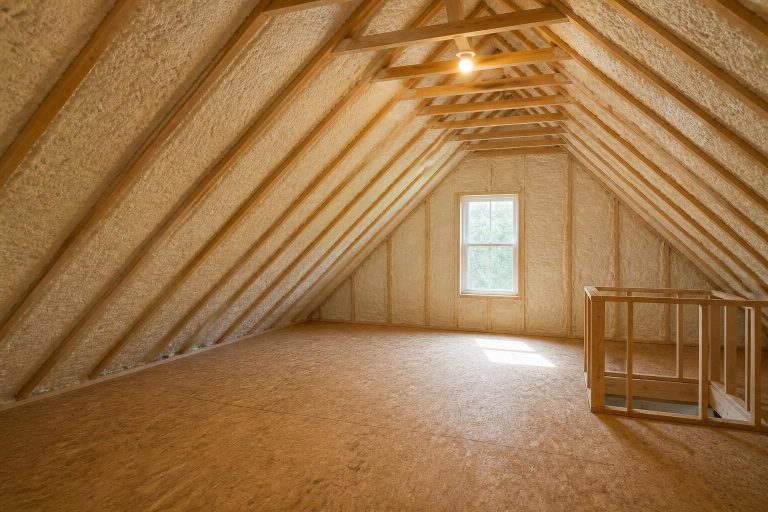
Fix cold ceilings, drafts, and attic moisture with insulation tailored to London homes.
Learn More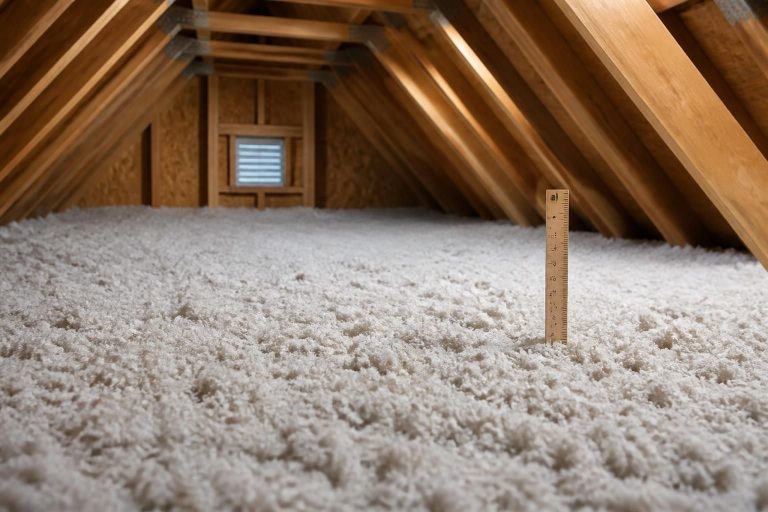
Blown-in insulation helps stop drafts, fill voids, and stabilize cold rooms fast.
Learn More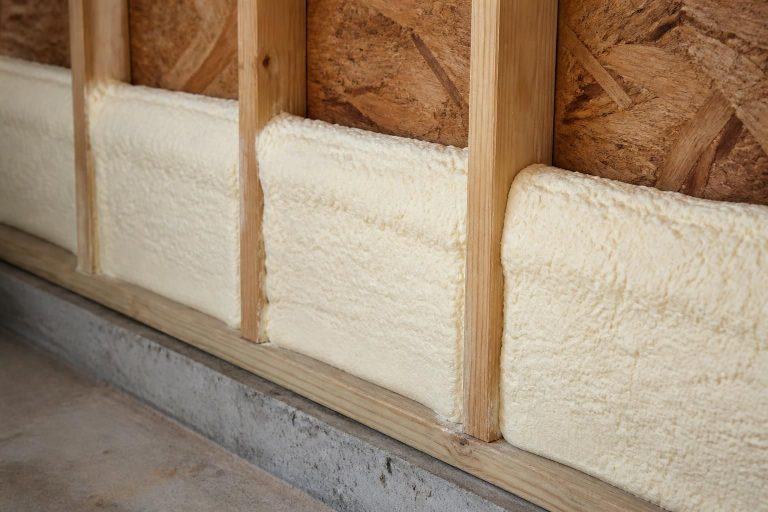
Reduce drafts, cold spots, and moisture problems with spray foam insulation.
Learn More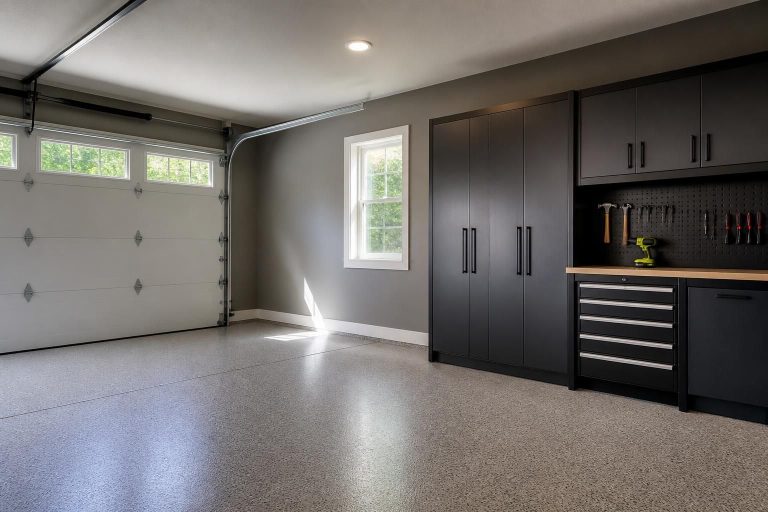
Reduce garage drafts, colder rooms, and heat loss with targeted garage insulation.
Learn More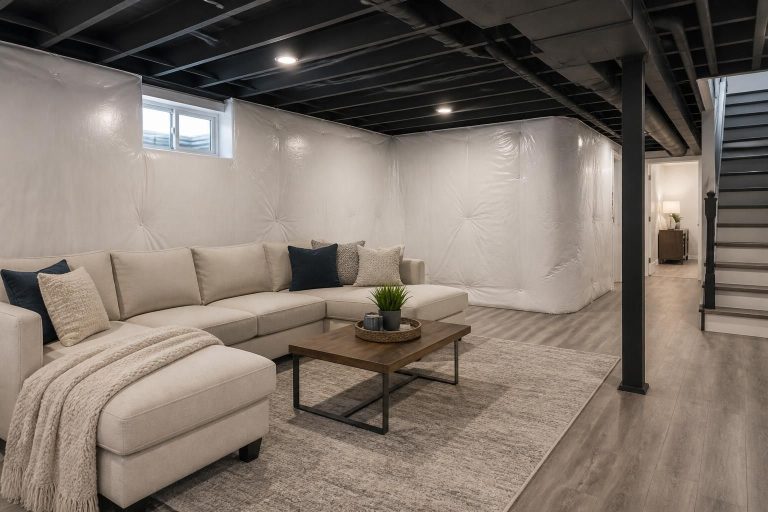
Basement insulation that cuts drafts, limits moisture risk, and steadies lower-level comfort.
Learn More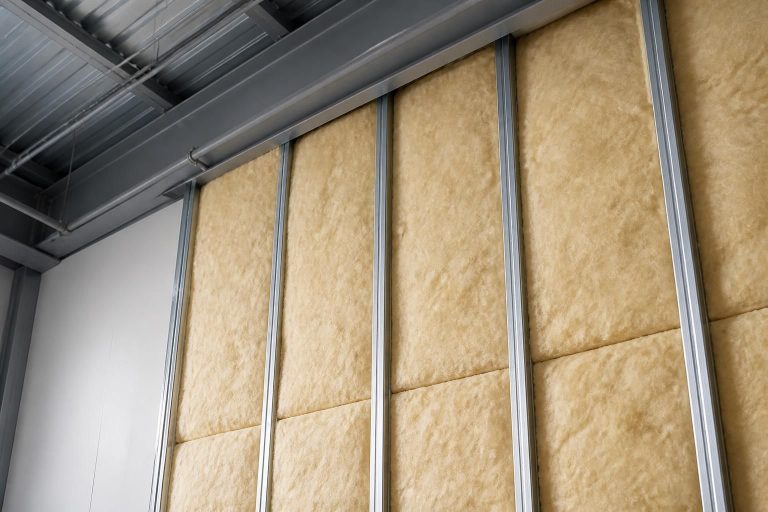
Commercial insulation that cuts heat loss, air leakage, and moisture risks across London, ON.
Learn More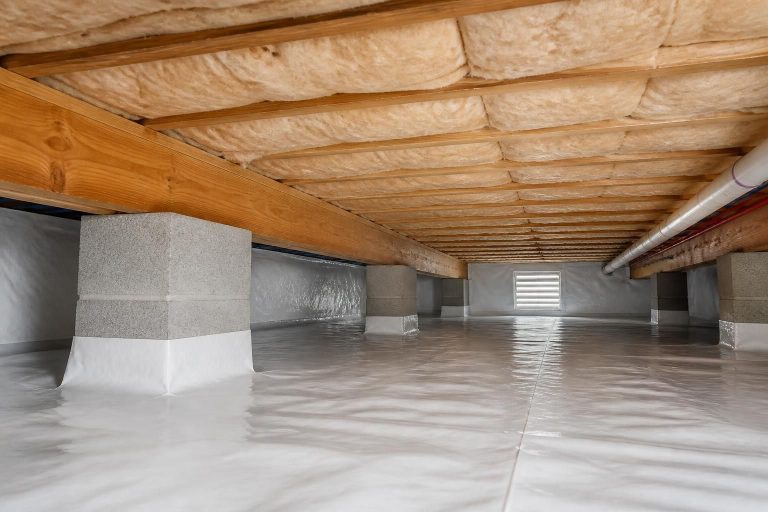
Reduce cold floors, drafts, and moisture issues with crawl space insulation.
Learn More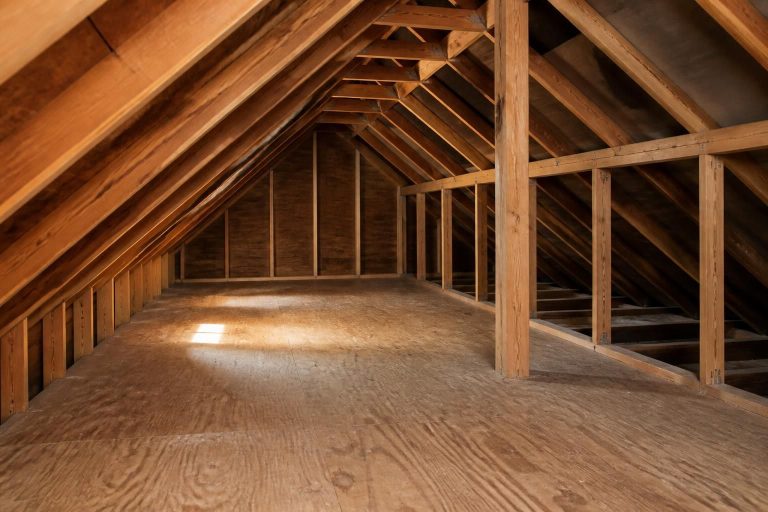
Remove damaged insulation, reduce hidden moisture risks, and prepare your home for a better upgrade.
Learn More
Stop drafts, uneven rooms, and hidden moisture losses with targeted air sealing.
Learn More
New-build insulation that controls heat loss, air leakage, and moisture from day one.
Learn More
Reduce drafts, uneven rooms, and heat loss with targeted wall insulation.
Learn More
Stop attic moisture, frost, and ice dam damage with targeted insulation and air sealing.
Learn More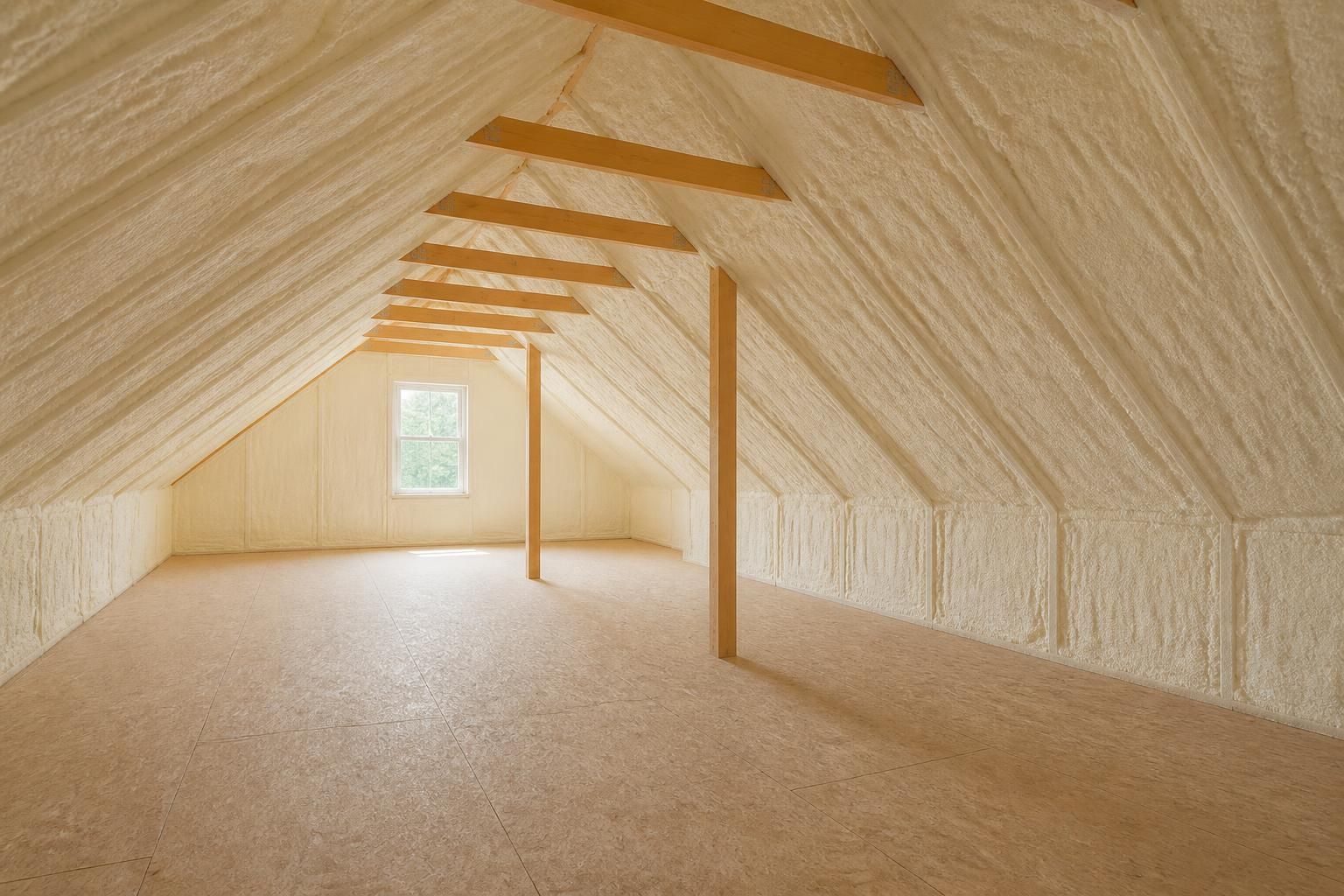
Start Here
Tell us about the rooms, drafts, cold spots, condensation, or attic issues you are seeing. We will help you understand which insulation, air-sealing, or moisture-control approach best fits the building and the conditions in Southwestern Ontario.